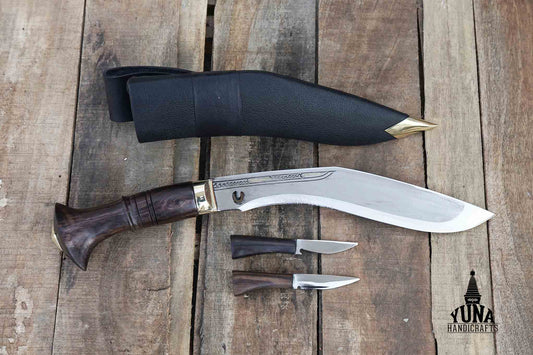
Gurkha Kukri Blade of Nepali vs Machete: Is it illegal to own the Nepali Kukri?
Gurkha Kukri Blade vs Machete: Is it Illegal to Own the Nepali Kukri?
Introduction
Two of the most iconic curved blades in the world are the Gurkha kukri and the machete. While both are powerful cutting tools with distinctive curved profiles, they have very different origins, designs, and cultural significance. In this article, we compare the two blades and address the common question: is it illegal to own a Nepali kukri?
Disclaimer: This is not legal advice. Laws vary by country and region. Always check with your local authorities before purchasing a bladed weapon.
Gurkha Kukri vs Machete: Key Differences
Origin and Cultural Significance
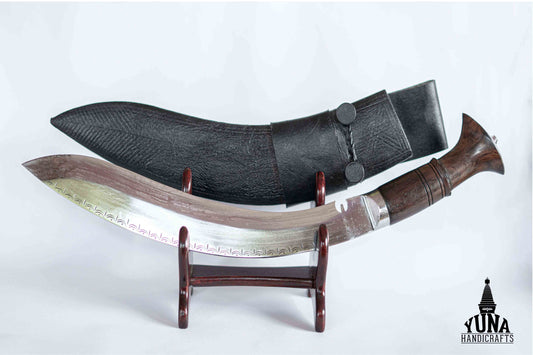
The Gurkha kukri originates from Nepal and is deeply embedded in Nepalese culture and history. It is the national weapon of Nepal and the signature blade of the legendary Gurkha warriors. The machete, by contrast, is a general-purpose cutting tool used in many tropical regions around the world, primarily for agricultural work such as clearing vegetation and harvesting crops.
Blade Design
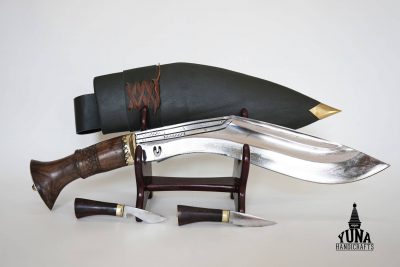
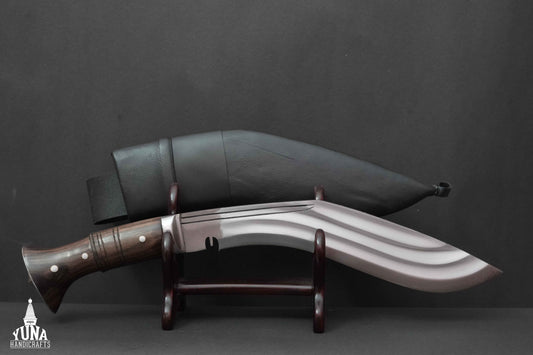
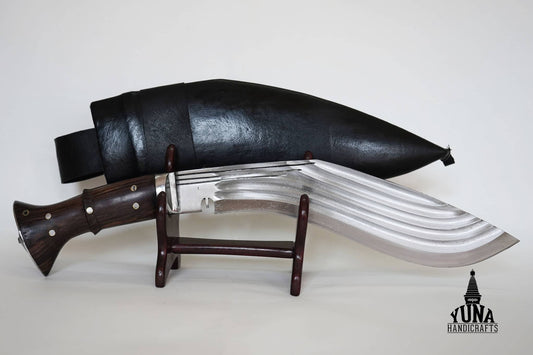
The kukri has a distinctive forward-curving blade that shifts the weight forward, giving it exceptional chopping power. The blade is typically thicker and heavier than a machete, with a more pronounced curve. The machete has a longer, straighter blade that is optimised for slashing through vegetation. While both blades are curved, the kukri's curve is more pronounced and its blade is generally shorter and heavier.
Craftsmanship
Authentic Gurkha kukris are handmade by skilled Nepalese blacksmiths using traditional forging techniques. Each kukri is a unique work of art, reflecting the individual skill of its maker. Machetes are typically mass-produced using industrial manufacturing processes.
Cultural and Collectible Value
The Gurkha kukri has significant cultural and historical value as a symbol of Nepalese heritage and Gurkha military tradition. It is highly prized by collectors and enthusiasts worldwide. The machete, while a useful tool, does not carry the same cultural significance.
Is it Illegal to Own a Nepali Kukri?
The legality of owning a kukri varies by country and region. In most countries, it is legal to own a kukri for home use, collection, or display purposes. However, carrying a kukri in public is typically subject to strict regulations.
In the UK, for example, it is generally legal to own a kukri at home if you are 18 or older, but carrying it in public without a lawful reason is illegal. In the US, laws vary by state. Always check with your local authorities before purchasing a kukri. For UK customers, browse our Gurkha kukri knife for sale UK collection.
Conclusion
The Gurkha kukri and the machete are both powerful cutting tools, but they are very different in terms of origin, design, craftsmanship, and cultural significance. The kukri is a unique piece of Nepalese heritage, handcrafted by skilled artisans using centuries-old techniques. If you are interested in owning a genuine Gurkha kukri from Nepal, browse our collection at Yuna Handicrafts.
Shop Authentic Gurkha Kukri Blades from Nepal
At Yuna Handicrafts, every kukri is hand-forged in Nepal by master bladesmiths using centuries-old techniques. Own a piece of Gurkha legend today.
- Buy Original Gurkha Kukri Knife — Genuine Gurkha kukris for collectors and enthusiasts
- All Gurkha Kukris from Nepal — The legendary blade of the Gurkha warriors
- Buy Kukri Machete Online — Powerful kukri machetes from Nepal
- Gurkha Kukri Knife for Sale UK — Authentic Gurkha kukris available in the UK
- Authentic Nepalese Kukri from the Himalayas — Certified authentic, straight from the craftsmen
- All Handmade Kukris from Yuna Handicrafts — Browse our complete kukri collection